Week 12: Supplemental and Review

Morning, An Overcast Day, Rouen, by Camille Pissarro
Scripture: Alma 34:9-10. This week we had the students practice memory of the scripture together.

Gethsemane, by Liz Lemon Swindle
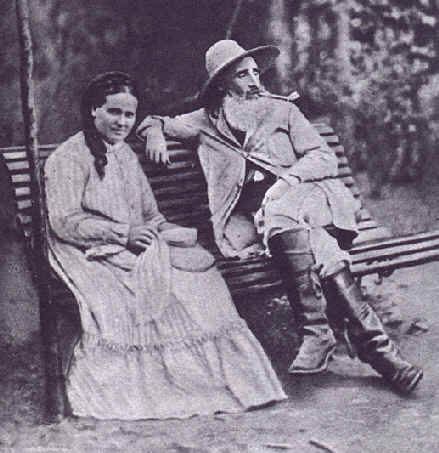
Pissarro and his wife Julie Vellay, 1877
Art Study: Pissarro's industrial cityscape series of Pont Boieldieu in Rouen. We mentioned how the French army destroyed the bridge in 1940 at the start of WWII, to delay the Germans from crossing the River Seine. Some students made up stories about the paintings.
In this video one can see remnants of a destroyed bridge at Rouen in 1940; it is assumed to be Pont Boieldieu.
Hymn: Rock of Ages. For fun we tried to learn the alto and soprano parts separately. We get an A for effort.
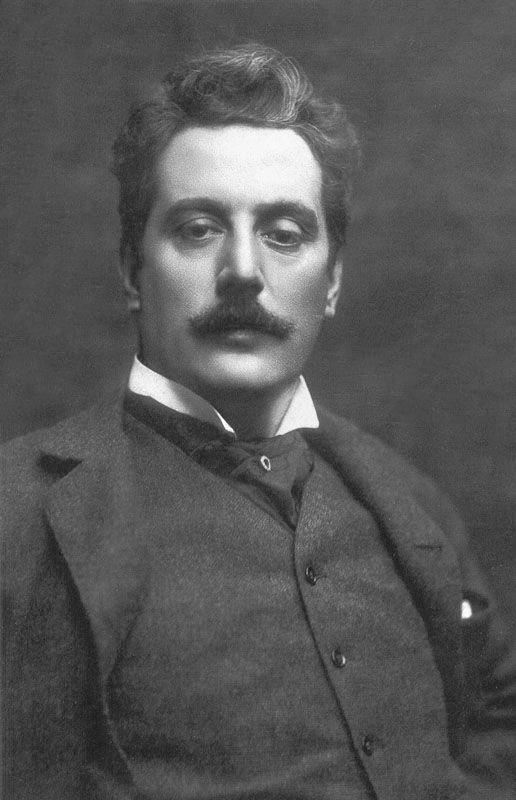
Composer Study: Giacomo Puccini is our composer. His operas are the most famous. We listened to the story behind his most famous aria, Nessun Dorma.
Here are wonderful performances by the great Pavarotti here, and a younger Pavarotti here.
See a short clip of the Met Opera's Finale of Turandot.

Folksong: The Wellerman. We tried singing in a round this week.
Poem: O Captain! My Captain! If you have yet to do so, focus on the 5th and 6th stanzas this week. The students also practiced with each other having this memorized. Here is the link to the cheat sheet.
If possible, review Civics questions, Catechism, and Utah Counties. The counties to memorize and drill on a map this week are:
Duchesne
Uintah
Juab
Sanpete
Carbon
The mnemonic device is: Do Umbrellas Jump Super Crazy?

Additional Activity: The younger class did the Beetle Sort. "Before the advent of genetics, we categorized animals by sorting attributes. Some beetles have thicker legs, kinked antennae, or powerful mandibles."
You can find the Beetle Sort in a "name your price" PDF book called, Socks Are Like Pants, Cats Are Like Dogs. The Beetle Sort begins on page 24, and the answer key is near the end of the book.

Plutarch: We learned about how the Romans and the Greeks viewed piety, or pietas, and how it is interpreted today. We also learned about how important it was to the Ancient Greeks for the dead to have a proper burial or cremation. We talked about different attributes Eumenes of Cardia had, how he had piety for both his gods and for his fellow men, even at the risk of his own life. Plutarch talks about how Eumenes was not of petty mind, and had many admirable qualities.
I forgot to bring the character board this week, and hopefully I will have my big map ready next week.

I found a website for a podcast that is trying to modernize Plutarch. I have not listened to the podcast, so I can't recommend it. I recommend reading the real thing. But here are some interesting tidbits from the website about Plutarch's Lives that you can share with your kids if they are unsure about Plutarch:
…the book that dissuaded Beethoven from suicide;
…the book that Alexander Hamilton read into the night at Valley Forge;
…the stories that inspired Shakespeare’s Julius Caesar, Coriolanus, Antony and Cleopatra, and more;
…the author that consistently made it to the top of Harry Truman’s recommended reading list.
Plutarch, the Greco-Roman philosopher, is the most influential biographer in Western history.
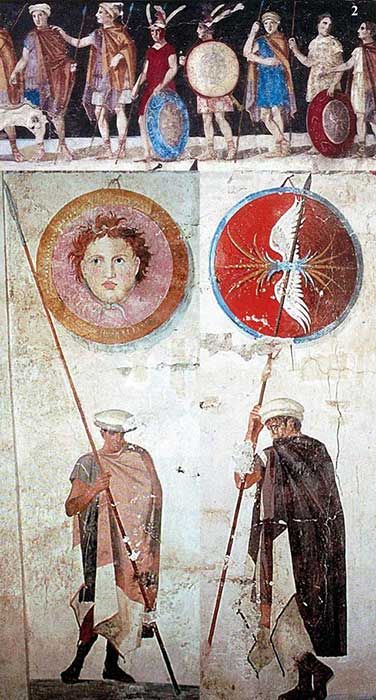
Ancient Macedonian soldiers, arms, and armaments (from a tomb in Thessaloniki in Greece, 4th century BC)
Next week we will do our Recitation and Recognition! It will be fun!


Comments
Post a Comment